
As an Amazon Associate I earn from qualifying purchases.
Most pressure cooker issues come from leaks, clogged vents, or wrong liquid amounts.
If your cooker hisses, stalls, or throws errors, you’re in the right place. I’ve repaired and tested many stovetop and electric models, and this troubleshooting pressure cooker guide walks you through quick fixes, safety checks, and pro tips. Keep reading to pinpoint problems fast, cook safely, and get consistent results.
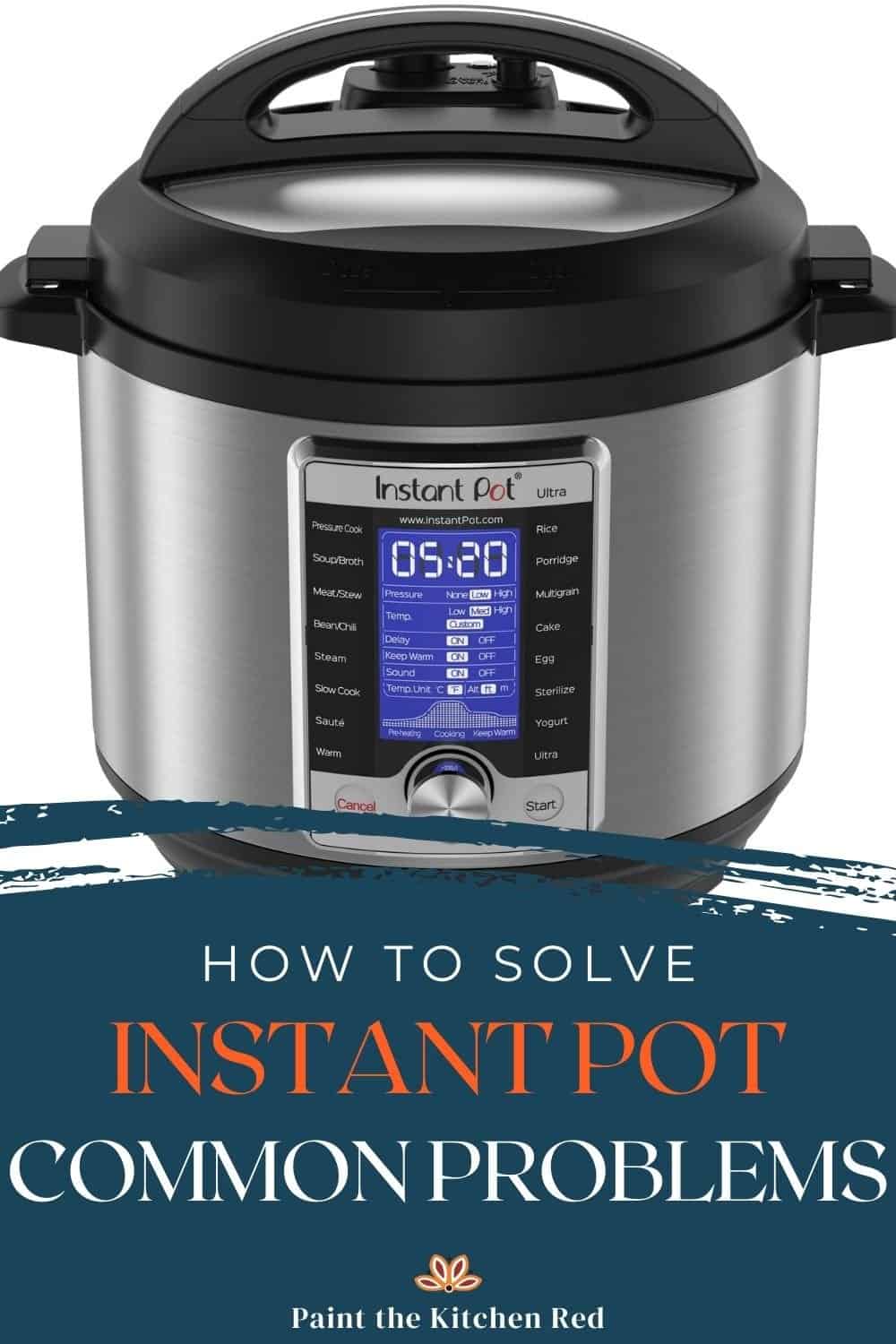
Safety first: start here
Before troubleshooting pressure cooker problems, think safety. Hot steam can burn skin in seconds.
- Unplug electric units and let pressure drop fully. Use quick release only if your recipe allows it.
- Keep hands and face away from steam vents. Use tongs or a wooden spoon to nudge valves.
- Check the gasket, lid lock, and vent for damage before each session.
- If you smell burning plastic or see warping, stop and let everything cool.
- Never force the lid. Pressure must be at zero first.
When I train new cooks, I show them the vent test with cold water. A quick rinse reveals debris you might miss. Safe habits make troubleshooting pressure cooker steps easier and calmer.

How a pressure cooker works (quick primer)
Steam builds inside a sealed pot. Pressure raises the boiling point, so food cooks faster. A gasket seals the lid. A valve controls pressure. A safety device vents extra steam if needed.
Most stovetop models run near 15 psi. Many electric brands run around 10–12 psi. Knowing this helps you set times and expectations. A clear mental model makes troubleshooting pressure cooker tasks faster and more accurate.
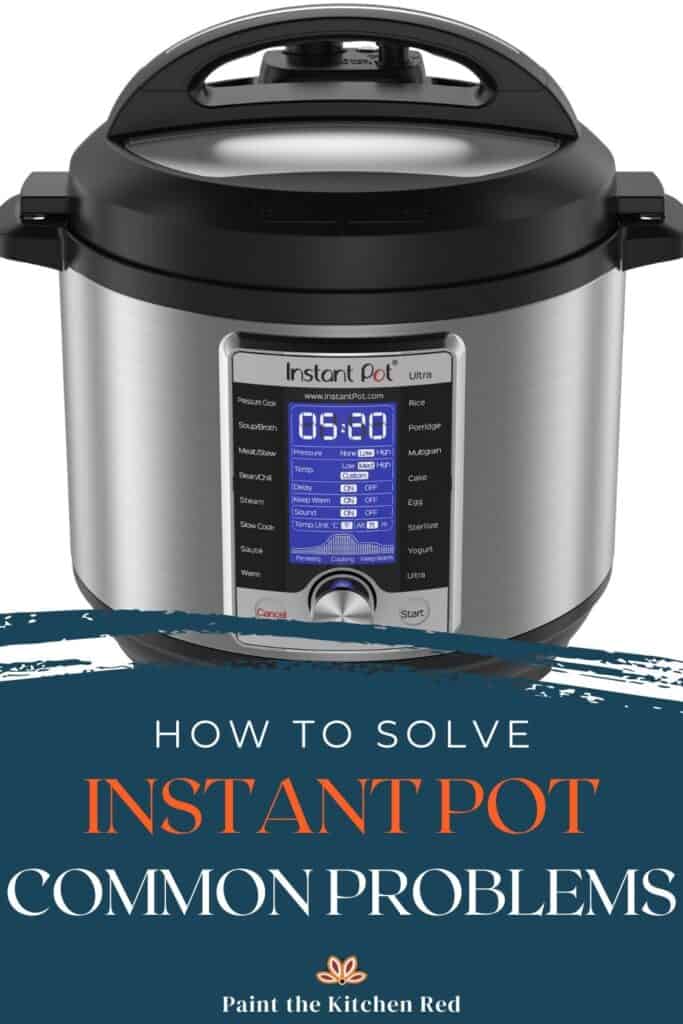
Common problems and quick fixes
If you’re troubleshooting pressure cooker headaches, match your symptom to the fixes below. I add simple tests you can do in minutes.
Won’t come to pressure
- Cause: Not enough liquid, loose gasket, misaligned lid, or cold, dense contents.
- Fix: Add the minimum liquid (often 1–1.5 cups for electrics; 1 cup for stovetop). Reseat or replace the gasket. Check the float valve and vent for clogs. Preheat liquids if your pot is very full.
- Tip: When troubleshooting pressure cooker heat-up issues, reduce sauté time to avoid evaporating too much liquid.
Steam leaking from the sides or valve
- Cause: Worn gasket, food on the rim, lid not locked, or cracked lid ring.
- Fix: Clean the rim and gasket. Flip the gasket if reversible, or replace it yearly. Confirm the lid is aligned and locked. Inspect the valve cap for wear.
- Tip: Troubleshooting pressure cooker leaks often ends with a new gasket. Cheap, fast fix.
Burn, Ovht, or food scorching (electric)
- Cause: Thick sauces or starchy foods on the bottom; not enough liquid; sugary marinades.
- Fix: Deglaze the pot after sautéing. Add more thin liquid. Use pot-in-pot for thick sauces. Layer heavy carbs on top.
- Tip: When troubleshooting pressure cooker Burn errors, a firm scrape with a wooden spoon after deglazing works wonders.
Takes too long to heat or cook
- Cause: Overfilled pot, cold ingredients, small burner, or altitude.
- Fix: Keep to 2/3 full max; 1/2 for foamy foods. Use hot liquid. Use a burner that fits the base. At high altitude, add time and liquid.
- Tip: Troubleshooting pressure cooker delays? Preheat broth in a kettle to save 5–10 minutes.
Food undercooked or overcooked
- Cause: Wrong pressure level, wrong time, or fast release vs. natural release mismatch.
- Fix: Use the right pressure mode. Adjust times for cut size. Natural release helps meats and legumes; quick release suits veggies.
- Tip: When troubleshooting pressure cooker doneness, test a small piece first on your next batch.
Valve sputtering, spitting, or noisy
- Cause: Starch foam or a clogged anti-block shield.
- Fix: Rinse and clear the shield and vent. Use 1–2 teaspoons of oil for beans or grains to reduce foam. Do not exceed fill lines.
- Tip: Troubleshooting pressure cooker sputters often points to foamy soups. Use pot-in-pot.
Lid stuck closed
- Cause: Residual pressure or a jammed float.
- Fix: Unplug. Let it cool. Nudge the float with a spoon handle. Never force the lid.
- Tip: When troubleshooting pressure cooker lids, patience is your best tool.
Strange smells, discoloration, or pitting
- Cause: Mineral buildup or acidic foods.
- Fix: Clean with vinegar and water. Use non-abrasive pads. Dry parts fully to avoid odors.
- Tip: Small stainless “rainbows” are normal. Deep pits are not; contact support.

Step-by-step troubleshooting checklist
Use this simple path when the cooker misbehaves. It’s the same flow I use on service calls. It makes troubleshooting pressure cooker tasks repeatable.
- Power and heat check
- For electric, try another outlet. Confirm cord and base are dry and seated.
- For stovetop, use a burner sized to the pot base.
- Lid and gasket scan
- Inspect gasket for cracks, flattening, or stretch. Replace if loose.
- Clean the lid rim and pot lip. Reseat parts.
- Vent and valve clean
- Remove the anti-block shield. Rinse the float and vent tube.
- Blow through the valve (when cool) to confirm airflow.
- Liquid and load review
- Add the minimum liquid. Thin thick sauces.
- Keep volume below the fill line.
- Test run with water
- Add 2 cups water. Lock, heat, and time to pressure.
- Listen for steady, gentle release at pressure, not constant hissing.
- Reassess recipe
- Match time to cut size and altitude.
- Choose natural or quick release based on the food.

Electric vs. stovetop: targeted fixes
Small differences matter. Knowing them speeds up troubleshooting pressure cooker work.
Electric models
- If you get a Burn error, lift food off the base. Use a trivet or pot-in-pot.
- Rinse the steam release and float valve after every thick cook.
- Firmware modes vary. “High” on one brand may equal “Normal” on another. Test with a water run.
- Keep seals fresh. Swapping between “savory” and “dessert” rings keeps odors down.
Stovetop models
- Control heat so the regulator jiggles gently. Constant loud venting means heat is too high.
- At altitude, use a bit more time since many stovetops run 15 psi, but true boiling points vary.
- Replace the weight or regulator cap if it sticks, rusts, or warps.
I once fought a stubborn leak on a well-loved stovetop unit. The fix was not the valve—it was a slightly stretched gasket. A $12 ring solved months of drama. That’s the heart of troubleshooting pressure cooker issues: start simple.

Maintenance and prevention
Good habits stop most problems before they start. This is preventive medicine for your pot and a smart way of troubleshooting pressure cooker issues before they happen.
- After each cook: Wash the lid, ring, and anti-block shield. Dry fully.
- Weekly: Boil 2 cups water with a splash of vinegar. Vent steam. This clears odors and minerals.
- Monthly: Inspect the gasket, valve, and float. Replace any tired parts.
- Yearly: Replace the gasket and check the regulator. Keep a spare ring on hand.
- Storage: Store with the lid upside down or off so the ring stays springy.

When to replace parts or call support
Sometimes parts age out. Sometimes damage is not safe to ignore. Use this map when troubleshooting pressure cooker repairs.
- Replace the gasket if it is loose, brittle, or cracked.
- Replace the valve cap or regulator if steam sputters even when clean.
- Replace the float or silicone cap if it sticks or won’t seal.
- Call support if the base smells like burnt electronics, the inner pot is deeply pitted, or the lid locks malfunction.
- Stop using any cooker with a warped lid or body.

Frequently Asked Questions of troubleshooting pressure cooker
Why won’t my pressure cooker seal?
The gasket may be worn, oily, or misaligned. Clean the rim, reseat or replace the ring, and add the minimum liquid.
How much liquid do I need to build pressure?
Most electrics need 1 to 1.5 cups. Stovetop models often need at least 1 cup, but check your manual.
What causes a Burn or Ovht warning?
Food is sticking on the bottom. Deglaze after sautéing, add thin liquid, or use pot-in-pot for thick sauces.
Is it normal for steam to escape while cooking?
A gentle, periodic release is normal. Constant hissing means the heat is too high or the seal is poor.
How often should I replace the gasket?
Plan on yearly replacement with regular use. Replace sooner if you see cracks, stretching, or persistent leaks.
Can I open the lid if it won’t depressurize?
No. Let it cool, check the float, and use a safe manual release only if the recipe allows. Never force the lid.
Why does my cooker smell after curry or chili?
Silicone absorbs strong scents. Wash well, air-dry, and keep a second ring for savory dishes.
Conclusion
Pressure cooking should feel simple and safe. With a clear process, a clean vent path, and a healthy gasket, most issues fade fast. Use the checklist, run a quick water test, and keep a spare ring ready. You’ll spend less time fixing and more time enjoying tender beans, rich stews, and bright veggies.
Ready to get hands-on? Try a water test today, check your seal, and bookmark this guide for your next session. Share your wins and questions in the comments, or subscribe for more smart kitchen fixes.
As an Amazon Associate I earn from qualifying purchases.
